
The evolution of gambling A historical perspective on games of chance

The evolution of gambling A historical perspective on games of chance
The Origins of Gambling
The history of gambling stretches back thousands of years, with evidence suggesting that early forms of games of chance were played in ancient civilizations such as China, Egypt, and Mesopotamia. Archaeological findings indicate that dice, one of the oldest gambling tools, were created around 3000 BC. These early games often involved betting on outcomes, establishing a foundational link between gambling and human nature’s inherent desire for risk and reward. In exploring this rich history, you can find more information at https://smallhomeexpo.ca/, which offers insights into games of chance.
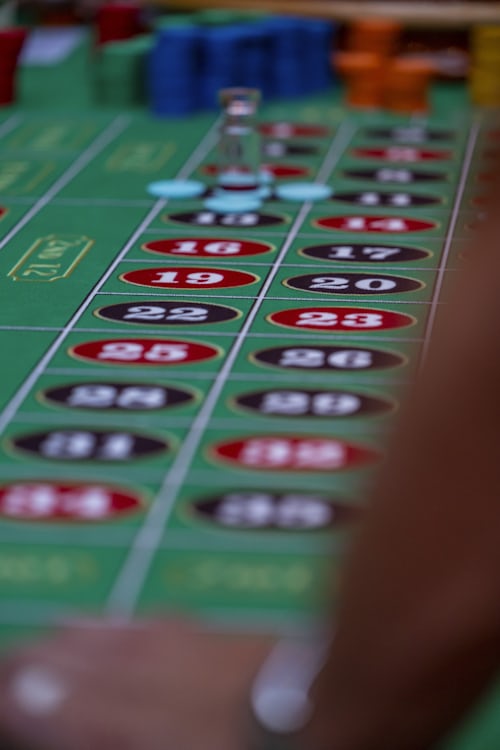
As societies evolved, so did the complexity of gambling. The Romans enjoyed betting on gladiatorial contests and chariot races, while in medieval Europe, card games became popular among the aristocracy. These developments not only provided entertainment but also reflected the cultural values and social hierarchies of their respective times, further embedding gambling into the fabric of society.
The Rise of Organized Gambling
By the 16th and 17th centuries, organized gambling began to take shape, particularly in Europe. The establishment of public gaming houses became a significant trend, allowing individuals from various social standings to engage in games of chance. Lotteries also gained popularity during this period, serving as a means of raising funds for public projects and generating excitement among the populace.
This era also saw the introduction of modern card games, with the invention of the deck of playing cards and the formulation of rules that are still in use today. The emergence of these structured games laid the groundwork for the formalization of gambling as an industry, leading to the first laws regulating betting and establishing gaming commissions.
The Impact of the Industrial Revolution
The Industrial Revolution in the 19th century brought significant changes to gambling. With urbanization and the rise of the working class, more people had the means and leisure time to engage in gambling activities. This led to the proliferation of betting establishments, such as racetracks and casinos, which became focal points of entertainment in cities.
Moreover, the introduction of technologies such as mechanical slot machines transformed the gambling landscape. These innovations simplified the betting process and provided instant gratification, making gambling more accessible to the masses. As a result, gambling evolved from an elite pastime into a widespread social activity, influencing culture and leisure practices.
The Digital Revolution and Online Gambling
The late 20th and early 21st centuries witnessed a seismic shift in gambling practices due to the digital revolution. The advent of the internet enabled the emergence of online casinos, revolutionizing how people could engage in games of chance. Players could now access a variety of games from the comfort of their homes, increasing the appeal of gambling to a broader audience.
Online gambling platforms have adapted traditional games, such as poker and roulette, into digital formats while also introducing innovative games like the Aviator Slot. This blend of accessibility and innovation has attracted millions of players globally, reshaping the gambling industry and creating new challenges and opportunities for regulation and responsible gaming practices.

Responsible Gambling in the Modern Era
As the gambling landscape continues to evolve, so does the need for responsible gambling practices. With increased accessibility comes heightened risks of addiction and financial distress. Various organizations and online platforms now emphasize the importance of responsible gambling by providing resources, setting betting limits, and promoting awareness of the signs of gambling addiction.
For instance, the Aviator casino online ensures that players are informed about their gaming habits and encourages self-regulation. By fostering a culture of responsible gaming, the industry aims to balance entertainment with the well-being of its players, ensuring that gambling remains a fun and safe activity.
